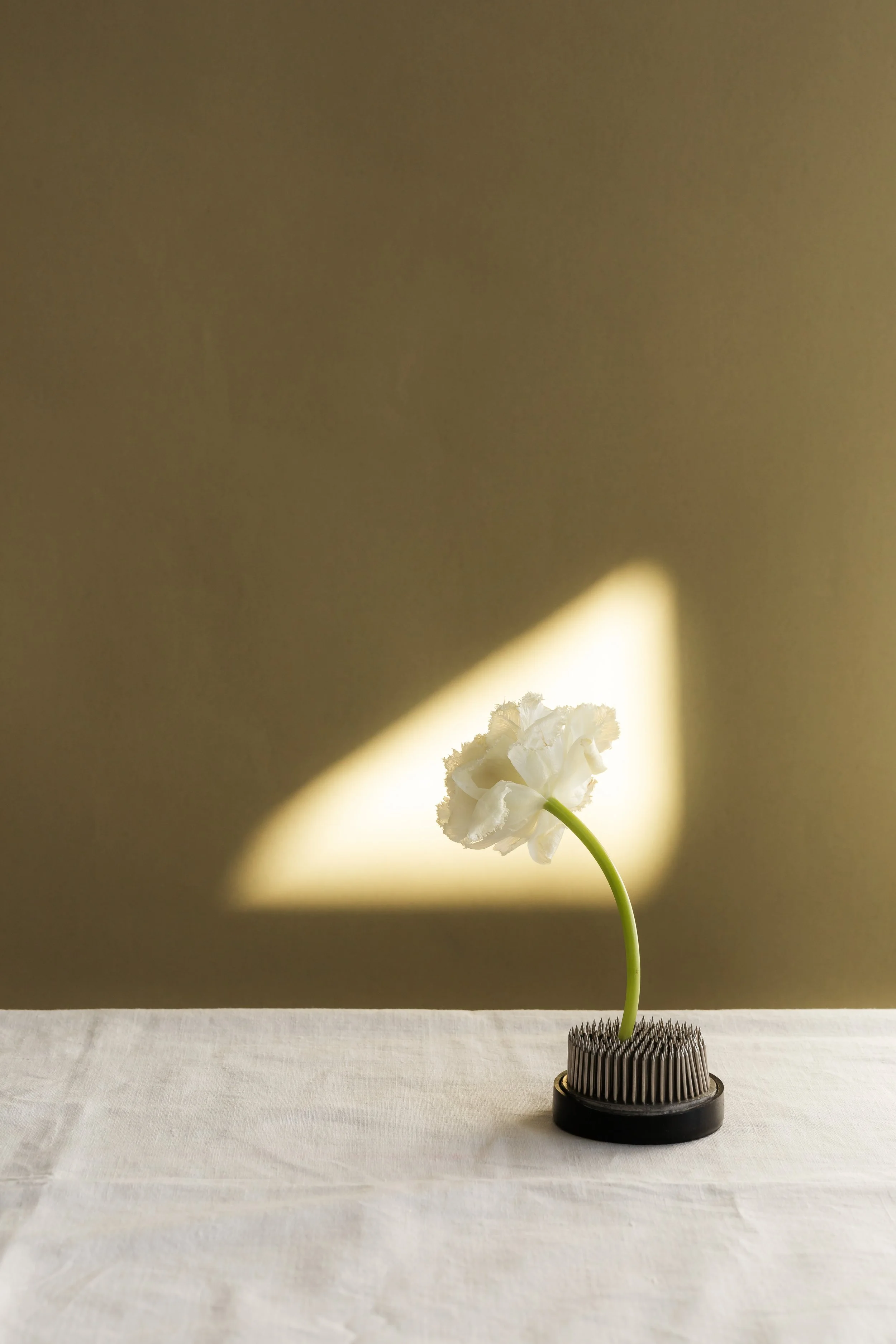
The quiet power of light: how it shapes the mood of a home
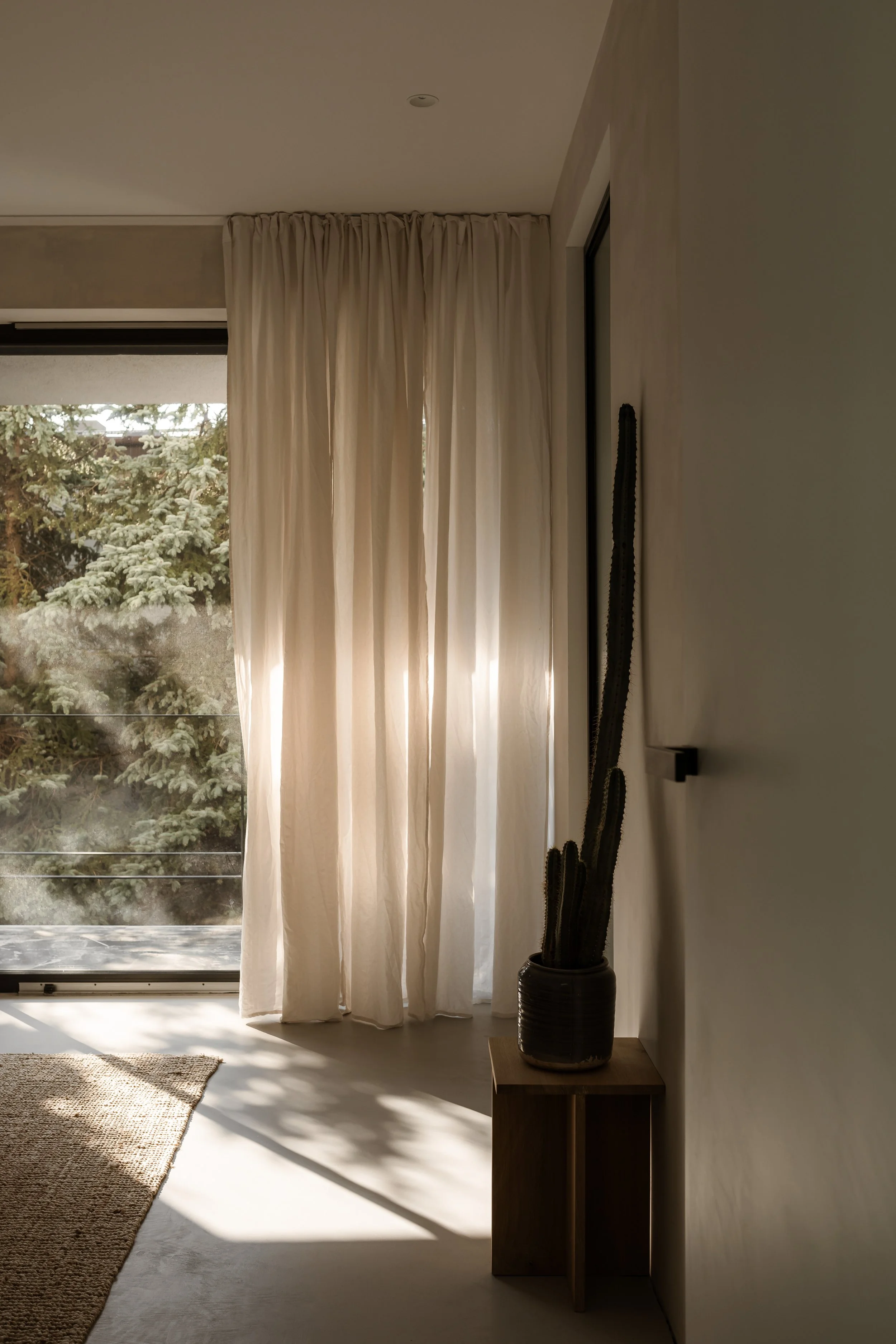
Winter has a way of reminding us how essential light truly is. As days grow shorter and evenings darker, we begin to notice how deeply lighting affects the way we feel. On long, grey afternoons, and in the quiet of winter evenings, there is little that feels more comforting than returning to a home where the light has been chosen with care.
Light has the power to completely transform the atmosphere of a space. When it is considered thoughtfully, it brings warmth, softness, and a sense of calm. When it is overlooked, it can just as easily create tension, fatigue, or restlessness. Its influence reaches far beyond aesthetics - light affects our mood in profound ways, shaping our emotional state and even our physical wellbeing.
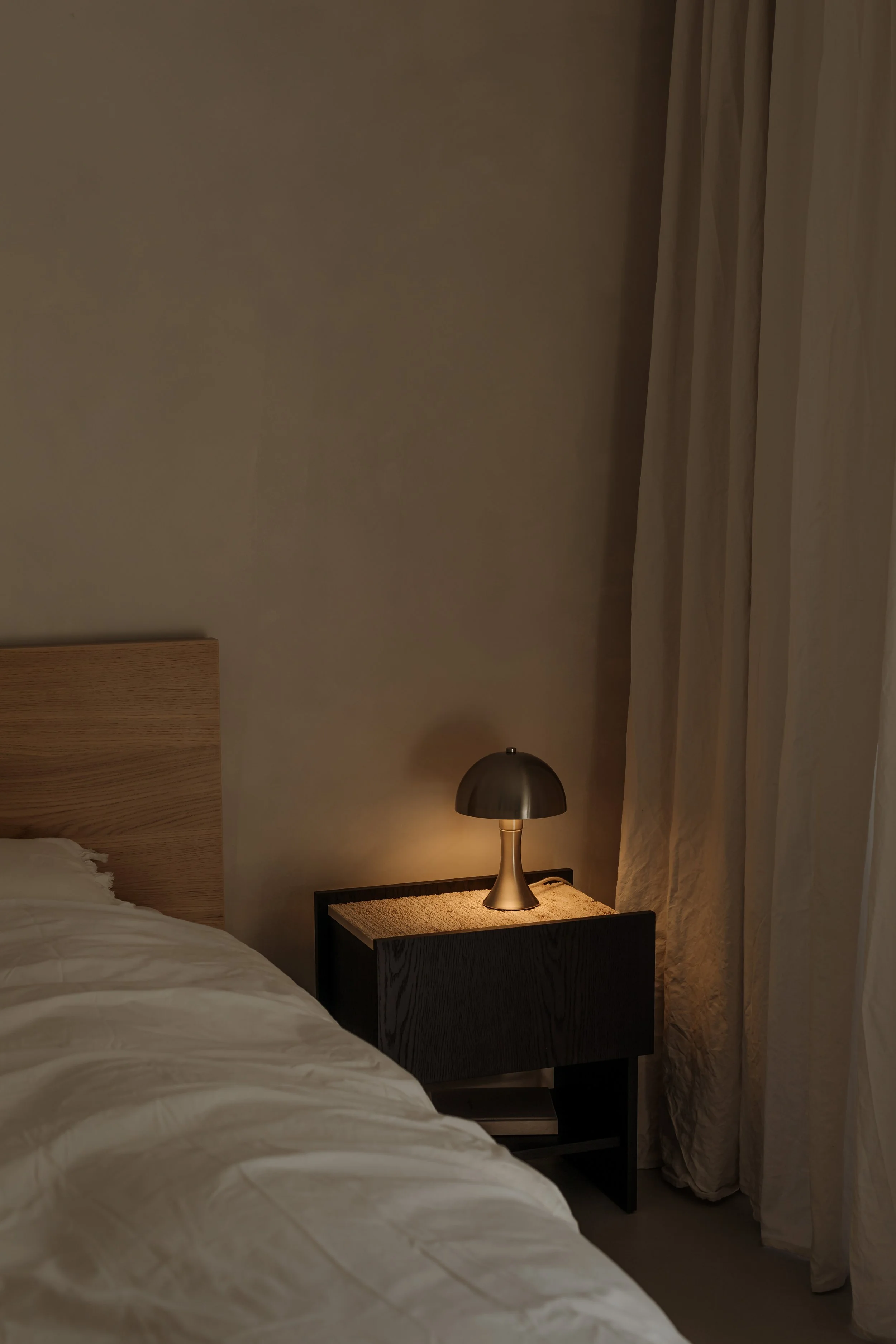
It does so quietly, often without us realising it. Light influences the brain by regulating our internal rhythms, affecting hormone production, and guiding our sleep–wake cycle. It alters how we perceive space, time, and even ourselves. This is why access to natural light can feel almost life-saving, especially during the winter months, when our bodies and minds are more sensitive to its absence.
Creating calm through lighting is possible in simple, intentional ways. One of them is choosing lamps over harsh ceiling lights. Placing light sources throughout the home allows them to serve different purposes - reading nooks, bedside lighting, or small, cosy corners meant for rest. Having a dimming option makes it easier to soften the atmosphere as the day comes to an end.
The temperature of light plays an equally important role. Light ranges from warm to cool, measured in kelvins - from around 1000K, which produces a soft, warm glow, to 10,000K, which feels much cooler and more clinical. Choosing warmer tones in the evening helps the body unwind, signalling rest and calm rather than alertness.
Light is not simply a functional element of a home - it is a form of care. When chosen with intention, it supports our natural rhythms and softens the edges of the day. In winter especially, light becomes a quiet companion, reminding us to slow down, to rest, and to create spaces that hold us gently.